

If you’re a property investor in Brisbane right now, the conversation has changed. The 2026 Federal Budget drew a line in the sand on 12 May and everything after that date works differently.
The short version: if you buy an established investment property from here on, negative gearing is gone from 1 July 2027. If you build new, you keep it. That’s not a loophole or a grey area, it’s exactly what the policy is designed to do. The government wants new housing supply. New builds get the tax advantage. Established properties don’t.
For investors who’ve always bought established properties and held them, this changes the calculation significantly. For investors who are weighing up their next move right now, it makes building new the obvious conversation to be having.
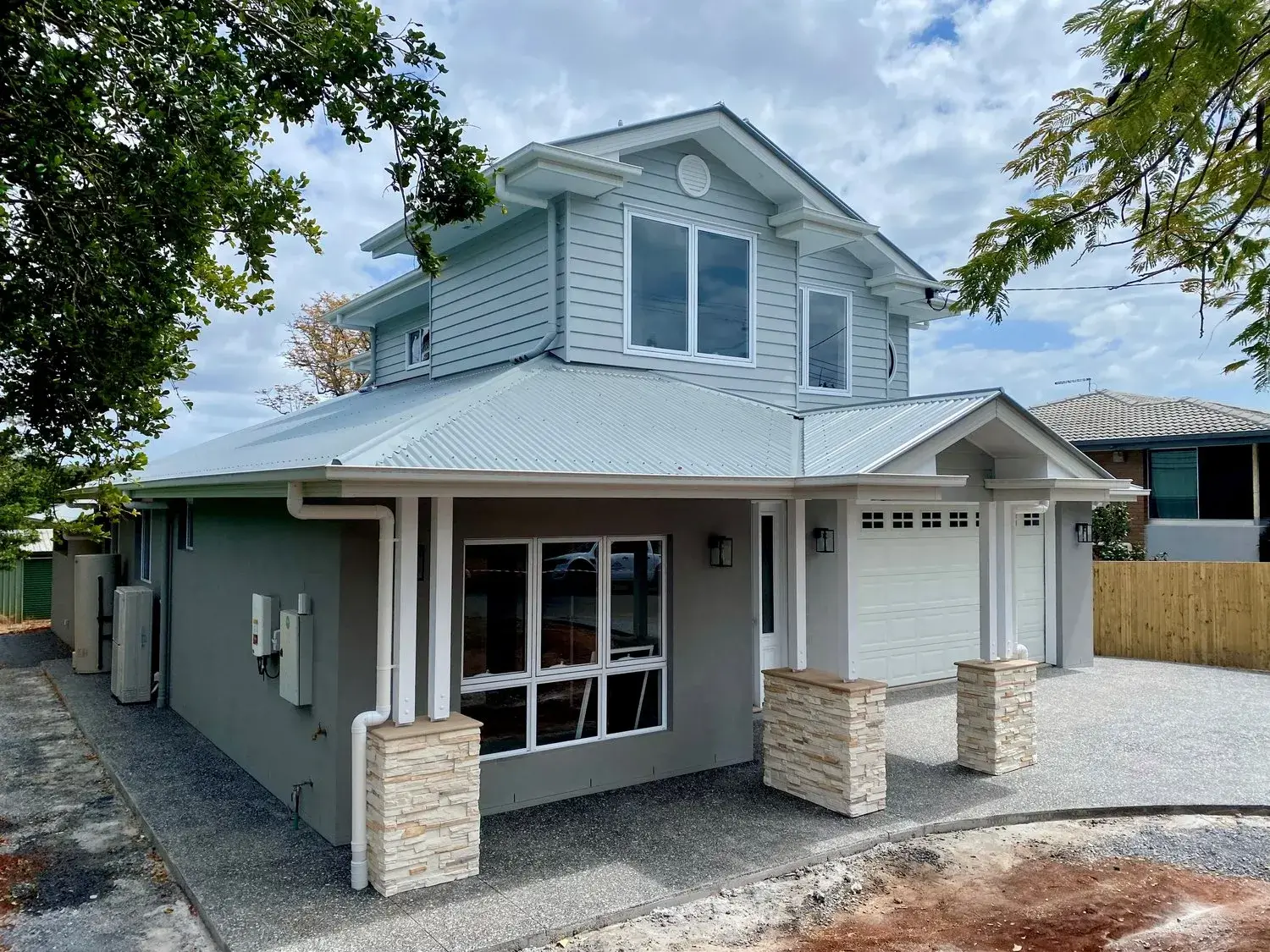
What Actually Changed, In Plain English
Before 12 May 2026, negative gearing worked the same way regardless of whether you bought new or established. If your rental income was less than your costs, mortgage interest, rates, insurance, maintenance, you could offset that loss against your other income and reduce your tax bill. Most investors understood this and priced it into their investment decisions.
From 1 July 2027, that offset only works if the property is a new build. Buy an established property after 12 May 2026 and your rental losses can only be offset against other property income, not your salary, not your other investments. The tax benefit that made negatively geared properties attractive to higher income earners is gone for established stock.
New builds keep everything. Negative gearing intact. And investors in new builds also get to choose between the existing 50 per cent CGT discount or cost base indexation when they sell, whichever works better for their situation.
For anyone on a high income considering their next investment, the after-tax maths on a new build versus an established property has shifted significantly. Your accountant will be having this conversation with you if they’re doing their job. If they haven’t yet, bring it up.
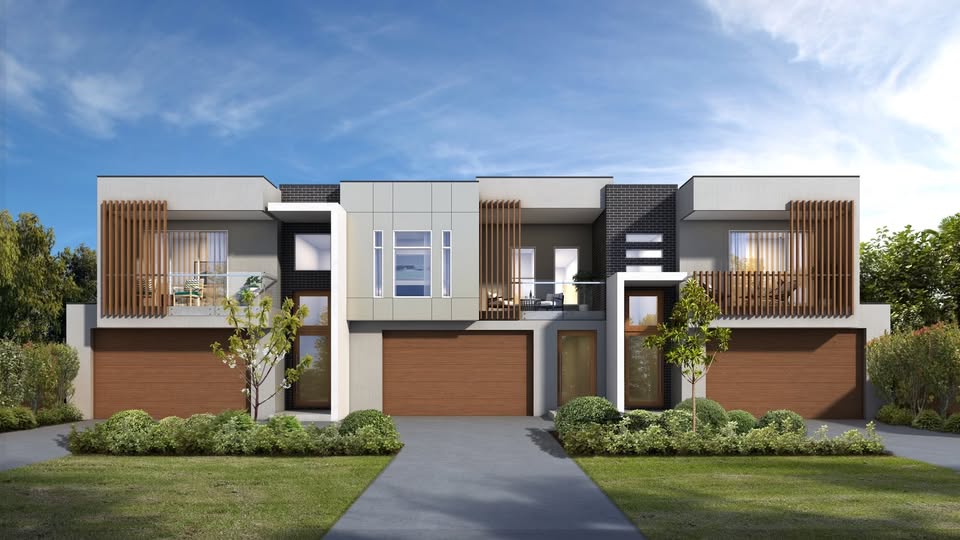
What Counts as a New Build
This is where it gets specific and it matters.
The government’s definition of an eligible new build is a property that genuinely adds to housing supply. That means:
- A dwelling constructed on vacant land qualifies. Straightforward, if it’s new construction on an empty block, it’s in.
- A duplex or dual occupancy built through a knockdown rebuild qualifies, as long as you’re replacing one dwelling with more than one. Knock down a single house, build a duplex. That increases supply. That qualifies.
- A knockdown rebuild that replaces one house with one house does not qualify. Like for like is explicitly excluded. The government’s own documentation is clear on this, a free-standing house replacing an older free-standing house is NOT an eligible new build for negative gearing purposes.
- A newly constructed apartment bought off the plan qualifies.
- A granny flat added to an existing property does NOT qualify for negative gearing on the granny flat component.
The practical implication for Brisbane investors is this: if you own a decent block and you’ve been thinking about your next move, building a duplex or dual occupancy rather than a single dwelling isn’t just a design choice anymore. It’s the difference between a qualifying new build and a non-qualifying one.
Why the Numbers Work Particularly Well at the $1M+ Level
The investors most affected by these changes are higher income earners, the people who were getting the most value from negative gearing in the first place because they were offsetting losses against income taxed at 47 cents in the dollar.
Those are exactly the investors Iconic builds for.
A duplex or dual occupancy build with Iconic typically comes in at $1M or above for the construction alone. That’s not a project homes figure, it’s a custom, architect-quality build with two fully independent dwellings, designed for the block, built to last.
At that level the tax equation matters. The rental income across two dwellings is strong. The negative gearing benefit on a high-value build is significant. And the CGT position on a quality new build held for the medium to long term, in a Brisbane market with genuine supply pressure, is a reasonable one.
None of that is financial advice. Talk to your accountant about your specific numbers. But the broad case for a high-quality new duplex or dual occupancy build in Brisbane right now is as strong as it’s been in a long time.
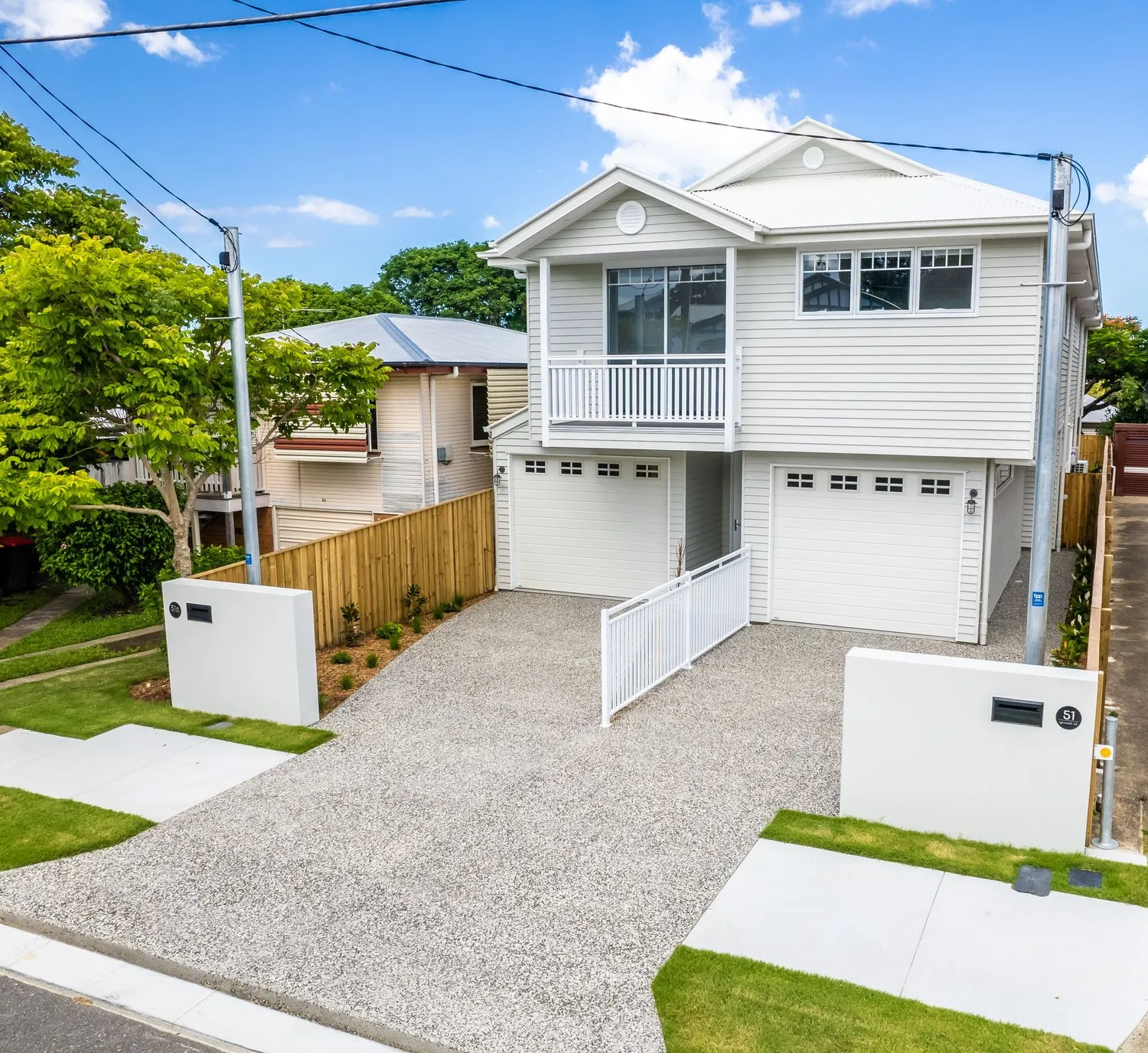
The Timeline Reality, And Why It Matters Right Now
Here’s the part that catches people out.
From first conversation with a builder to keys in hand on a duplex or dual occupancy build is a minimum of 18 months. Often longer, design and approvals alone can take 4 to 6 months, and construction runs 10 to 14 months after that.
The rule change takes effect 1 July 2027. That’s 13 months away.
Investors who want a completed, tenanted new build before the rules change have essentially missed that window already. But that’s not the right frame. The right frame is: investors who want to be correctly positioned under the new rules, with a qualifying new build in progress or contracted, need to be making decisions now, not in six months.
The land needs to be identified or already owned. Finance needs to be sorted. The feasibility check on what can actually be built needs to happen. None of those things take five minutes, and each one needs to happen before the next.
If you’re thinking about this seriously, the conversation to have is now. Not because of artificial urgency, because of real timelines.
What Makes a Good Investment Block in Brisbane
Not every block works for a duplex or dual occupancy build, and not every location makes sense for an investment at this level. Here’s what to look for.
Size and zoning: In Brisbane, Brisbane City Plan 2014 generally requires a minimum of 600 square metres for dual occupancy. In the Redlands it’s similar under the Redland City Plan. Zoning matters too, some zones allow dual occupancy, others don’t. A feasibility check before you buy land is not optional. It’s the first thing you do.
Slope:A flat or gently sloping block is significantly cheaper to build on than a steep one. Site costs on a sloping block can add $50,000 to $150,000 or more to your project. Factor that into the land price you’re willing to pay.
Location and demand: The Redlands, Cleveland, Thornlands, Victoria Point, Capalaba, has strong and consistent rental demand for well-designed dual occupancy and duplex properties. However there’s something investors need to factor in that often gets missed: Redlands Council rates are significantly higher than Brisbane City Council. On a dual occupancy or duplex that gap adds up and it needs to be in your numbers before you commit to a block, not after.
For investors looking at BCC areas, the medium density suburbs are where the activity is, Wynnum, Manly, Carindale, Bulimba, Cannon Hill, Camp Hill, Morningside, and Coorparoo. Strong rental demand, good access to amenity, and zoning that generally supports dual occupancy and duplex development.
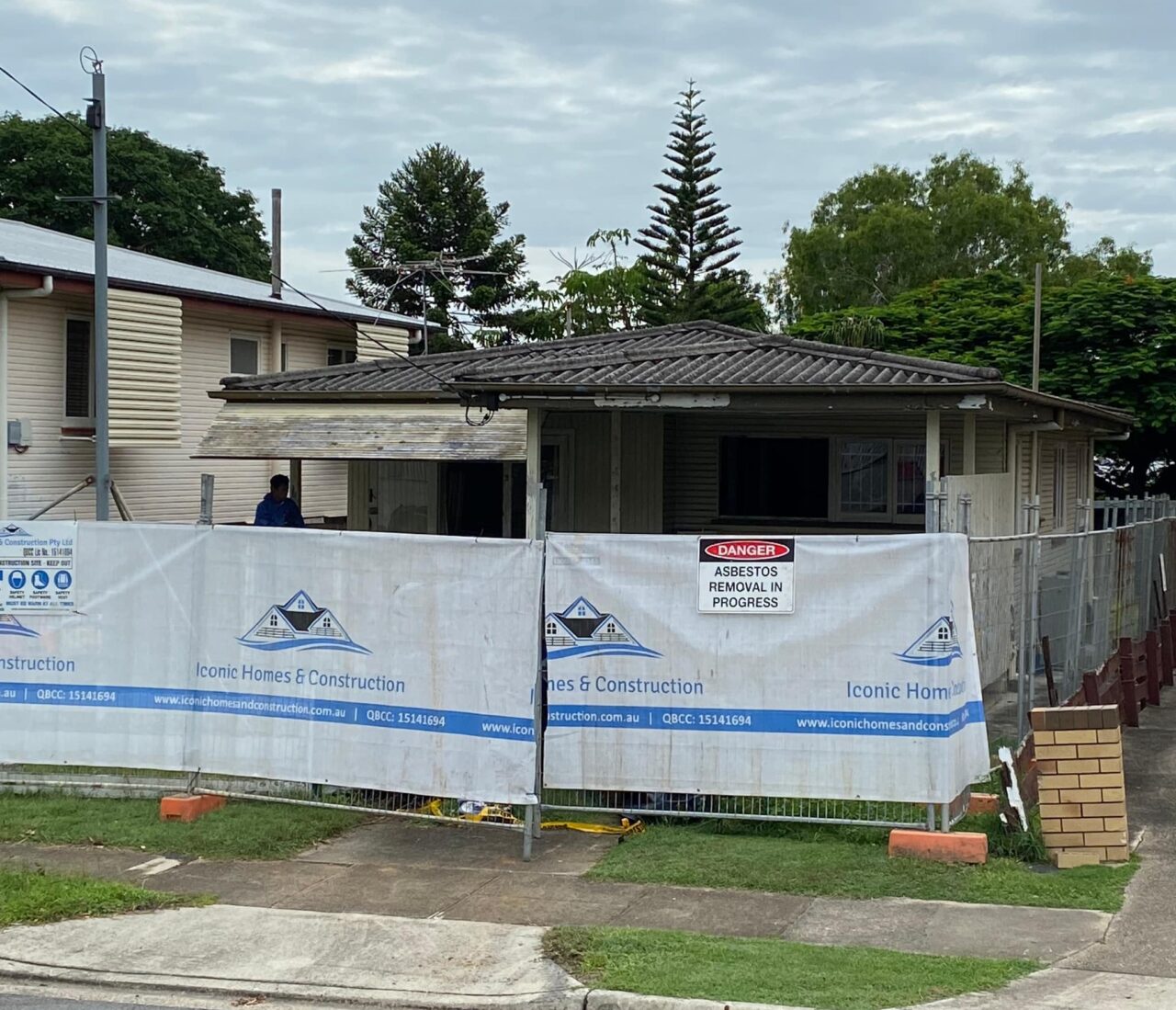
Existing dwelling. If you’re buying a block with an existing house on it, factor in demolition costs, from $25,000 upward depending on size and whether asbestos is present. A knockdown rebuild that goes from one dwelling to two qualifies as a new build under the 2026 budget rules. One dwelling replaced by one dwelling does not.
For a full breakdown of what site costs actually add to a Brisbane build, read our 2026 custom home cost guide →
The Build Process for Investors, What’s Different
The build process for an investment duplex or dual occupancy isn’t dramatically different to building a custom home, but there are a few things worth knowing upfront.
Finance works differently. A construction loan for an investment build releases funds in stages as construction progresses, not as a lump sum. Your broker needs to understand construction finance specifically, and your borrowing structure needs to account for the fact that you won’t have rental income during the build period. Get your finance sorted before anything else, it shapes every decision from here. For the full sequence of what needs to happen and in what order, read our Brisbane new build guide →
Design matters for yield. A dual occupancy or duplex designed purely to minimise build cost often produces two dwellings that feel like they’ve had corners cut, and tenants notice. Good design means better tenants, lower vacancy, and stronger long-term capital value. The design choices that make a home feel like a quality standalone dwelling rather than half of something are worth making.
Fixed-price contracts protect you. For an investment build, a fixed-price contract is non-negotiable. It’s what your lender will require and it’s what protects your numbers. Variable cost contracts on investment properties are a recipe for budget blow-out at the worst possible time. Make sure your builder offers a genuine fixed-price contract and understand exactly what’s included, and what’s not, before you sign.
Use a builder with in-house design. This matters even more for investors than owner-occupiers. An independent architect or designer will produce beautiful plans with no reference to build cost. When you take it to a builder, and find out it costs $300,000 more than your investment model assumed.
A builder with an in-house design team keeps the build cost at the centre of every design decision. Your investment model stays intact. For more on why this matters read our section on designer selection in the Brisbane build guide →
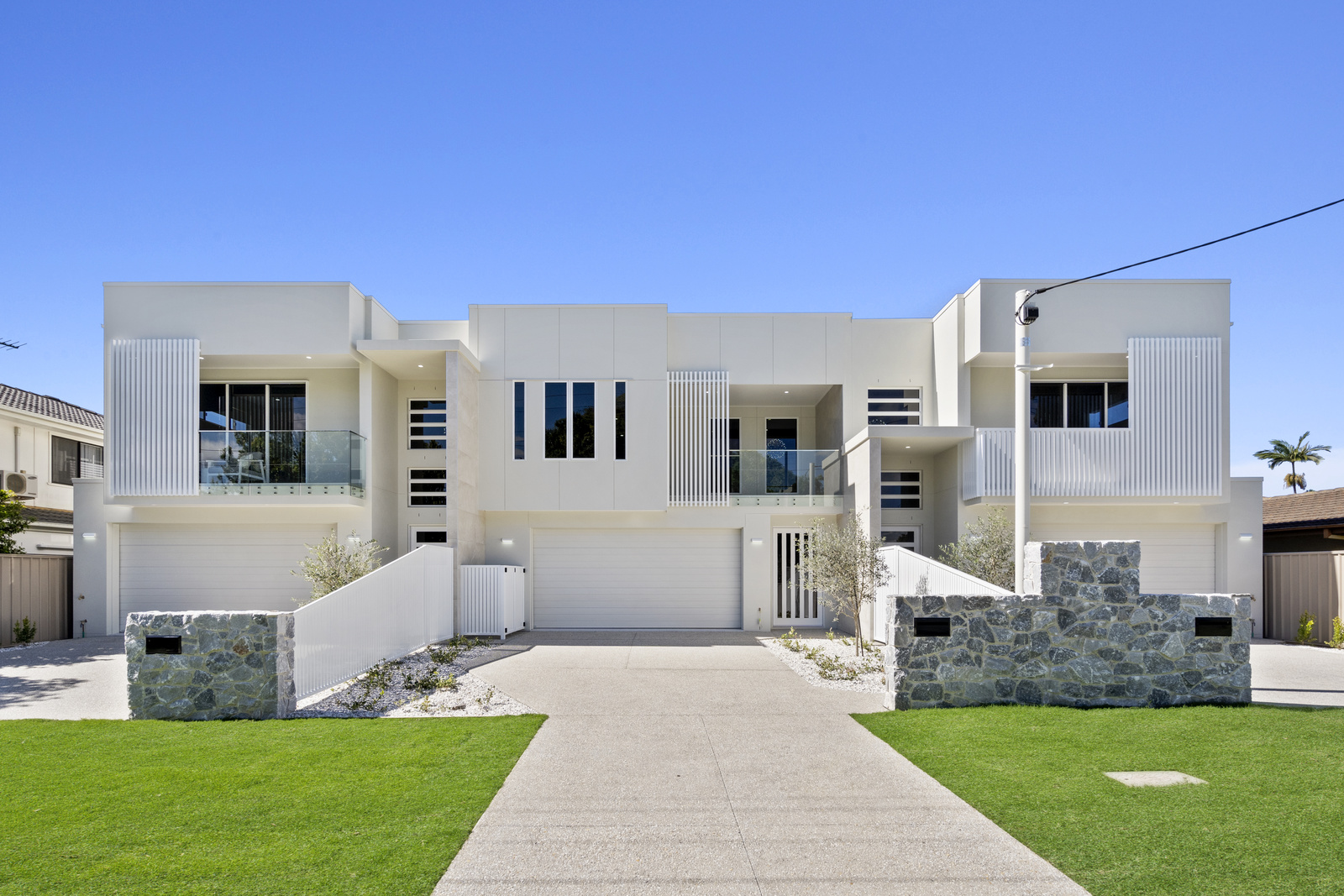
Dual Occupancy vs Duplex, Which One for an Investor
Both can work well. The distinction worth understanding:
A duplex is two dwellings attached side by side or one above the other, sharing a common wall. Generally more efficient to build on a standard block. Two separate titles possible after subdivision.
A dual occupancy is two dwellings on one title, attached or detached. A house at the front, a second home at the rear is a common configuration. Can be subdivided later if the block size and zoning allows.
For investors the key questions are: what does your block allow, what does the local rental market respond to, and what’s the better outcome, holding both on one title or subdividing for separate sale or financing flexibility later. These are questions worth working through with your builder and your accountant together before the design starts.
For a detailed breakdown of the dual occupancy options available in Brisbane and the Redlands, read our dual occupancy page →
Frequently Asked Questions
Does a knockdown rebuild qualify for negative gearing under the new rules?
Only if it increases the number of dwellings. Knock down one house and build a duplex, that qualifies. Knock down one house and build one house, it doesn’t. The government’s policy is specifically targeted at new supply, not replacement supply.
Can I negatively gear a new build duplex purchased off a developer?
Only the first purchaser from the builder qualifies, provided the property hasn’t been occupied for more than 12 months before first sale. If you’re buying a completed new build from a developer who built it as a development play, check the occupancy history carefully.
Do I need to have the build completed before 1 July 2027 to qualify?
No. The qualifying factor is that the property is a new build, not when it’s completed. What matters is that you’re not buying an established property after 12 May 2026. A new build contracted and under construction after that date still qualifies.
What’s the minimum block size for a duplex in Brisbane?
Generally 600 square metres under Brisbane City Plan 2014, but zoning and overlays also apply. Some zones don’t allow dual occupancy regardless of block size. A feasibility check on your specific block before you buy is essential.
How long does a duplex or dual occupancy build take?
From first conversation to keys, budget for 18 months minimum. Design and approvals typically take 4 to 6 months. Construction runs 10 to 14 months after that. Complex sites or council assessment can add time.
Should I talk to my accountant or my builder first?
Both conversations are worth having now. Your accountant can tell you whether the tax position makes sense for your specific income and investment structure. Your builder can tell you whether your block or budget is a realistic candidate for a qualifying new build. Neither conversation takes long and both will tell you something useful.
Ready to Talk About Your Investment Build?
If you’re a Brisbane investor weighing up your options after the budget changes and you want a straight conversation about what’s actually achievable, block feasibility, build cost, timeline, what qualifies, get in touch with the team at Iconic Homes.
We build in Cleveland, the Redlands, and across Brisbane. We’ll ask about your budget early, tell you honestly what it can deliver, and give you a realistic picture of the process from here to handover.
No pressure. No jargon. Just a useful conversation. Call us on 0402 017 072 or book a free consultation →

Our Services
Get A Quote
Get in touch today for a free, no-obligation quote on your building or renovation project.


