
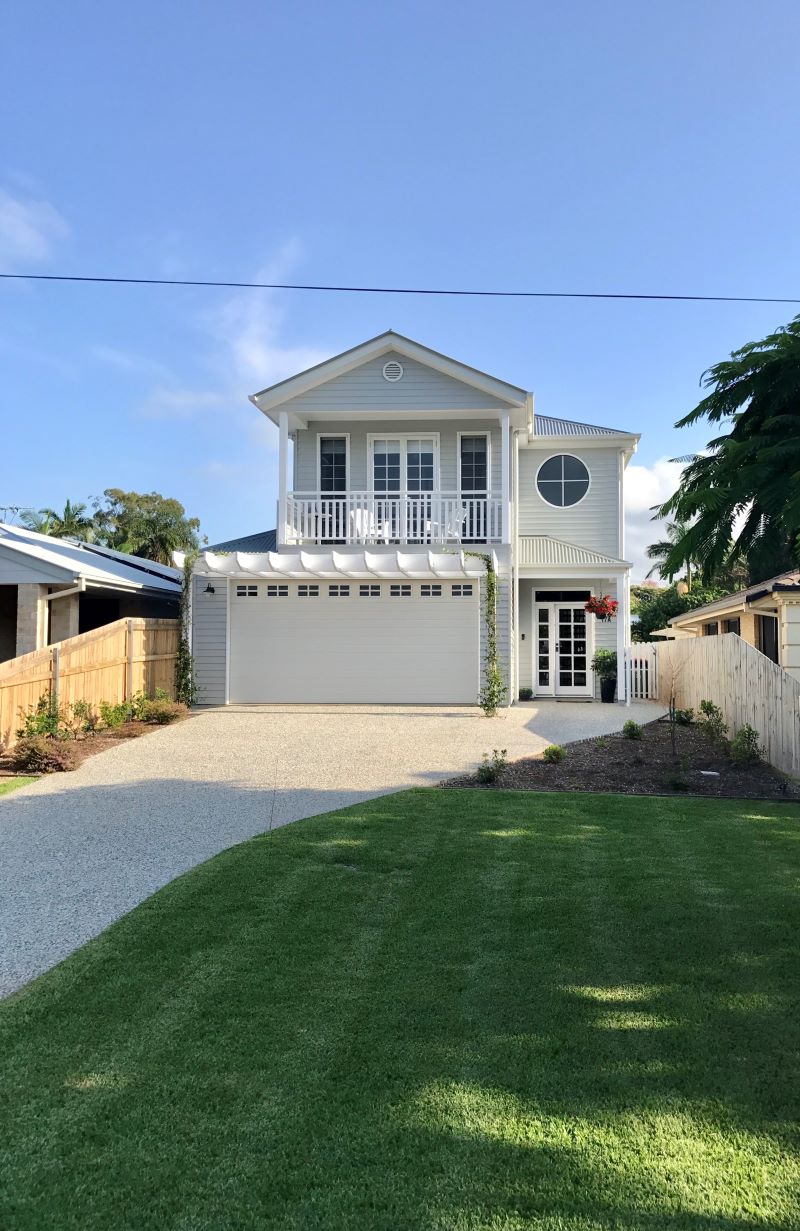
This guide covers the full process from first conversation to keys in hand. It’s long because the process is long, and because most guides skip the parts that actually trip people up. If you want the short version first, here it is.
The Quick-Reference Order
Get finance pre-approval → Find and buy your land → Check council planning rules for the block → Engage your builder and start the design process together → Get site reports → Lodge for building approval → Sign the contract → Selections happen room by room as construction progresses → Pre-construction setup → Build → Final inspection, handover, move in.
Want the detail behind each step? Keep reading.
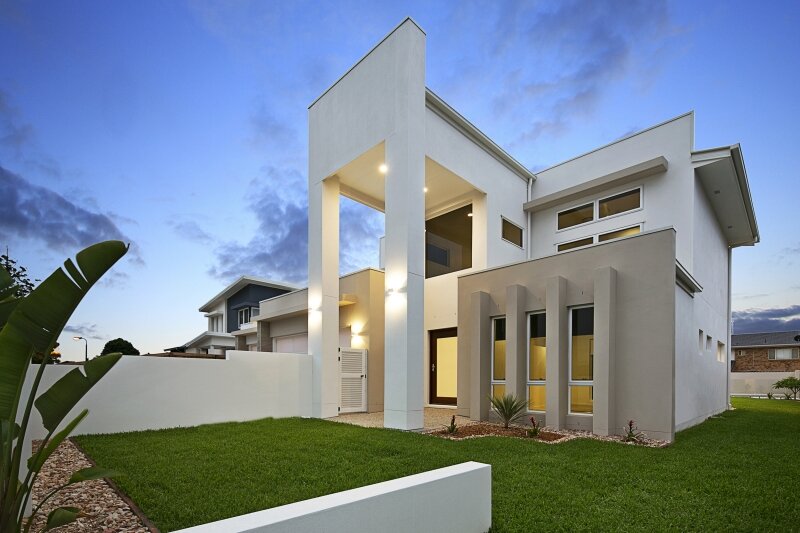
Building a New Home in Brisbane? Here’s the Order to Do Everything In
You want to build a new home in Brisbane. Exciting. But within about five minutes of starting to research it, you’ve got 47 browser tabs open and you’re more confused than when you started.
Do you get finance first? Or find a block of land? Do you need an architect or a draftsman? What even is a building certifier? And when does council get involved?
It’s the classic chicken-or-egg problem. Everything feels like it depends on something else, and nobody seems to explain the actual order you’re supposed to do things in.
So here it is, the real sequence, from “we want to build” through to moving in. Not a textbook version. The practical, Brisbane-specific order that actually makes sense.
Before You Call a Builder, What You Actually Need to Have Sorted
Let’s start here, because it’ll save you time and frustration.
Builders get enquiries every day from people who are genuinely interested but nowhere near ready to have a productive conversation.
Most people don’t know what “ready” actually looks like. So here it is.
Finance clarity. Not “I think I can afford it” or “the bank said something about equity once.” Actual construction loan pre-approval, or a clear picture of your equity position if you’re building on land you already own. A $1M+ build requires a lender who understands construction finance, not all of them do, and a borrower who’s had a real conversation with one. If you haven’t done this yet, do it before anything else.
Land or an existing block. Either a property you own already, or a specific block you’re under contract on. Builders can’t give you a meaningful quote based on a suburb you like the sound of. The block determines everything, slope, soil, zoning, what you can build, and what it’ll actually cost.
A rough brief. It doesn’t need to be a mood board and a spreadsheet. But “I want something nice” isn’t enough to start a useful conversation. How many bedrooms? One dwelling or two? Rough size? Any non-negotiables? The more specific you can be upfront, the faster the early conversations move.
A realistic timeline expectation. From first meeting with a builder to keys in hand is a minimum of 18 months on a straightforward build. Complex sites, council approvals, or custom designs push that to two years or more. If you’re thinking you need to be in by next Christmas, that conversation needed to happen 12 months ago. If you’re planning ahead properly, you’re in good shape.
Getting these four things sorted before you call a builder isn’t bureaucratic box-ticking. It’s what turns a vague enquiry into an actual project.
A Note for Investors
If you’re building for investment rather than owner-occupation, there’s something specific you need to know right now.
The 2026 Federal Budget changed the rules for property investors. From 1 July 2027, negative gearing will only apply to new residential builds. Investors who purchase established properties after 12 May 2026 lose access to it entirely. New builds, including duplexes and dual occupancy homes, retain negative gearing under the new rules.
That makes the build process more relevant to investors than it’s ever been. The timeline reality matters here too, land to keys is 18 months minimum, which means decisions made now directly affect whether you’re on the right side of the rule change.
Talk to your accountant about what this means for your specific situation. Talk to us about whether your block or your plans are a good candidate for a qualifying new build. For the full investor picture read our article on why Brisbane investors are building instead of buying in 2026 →
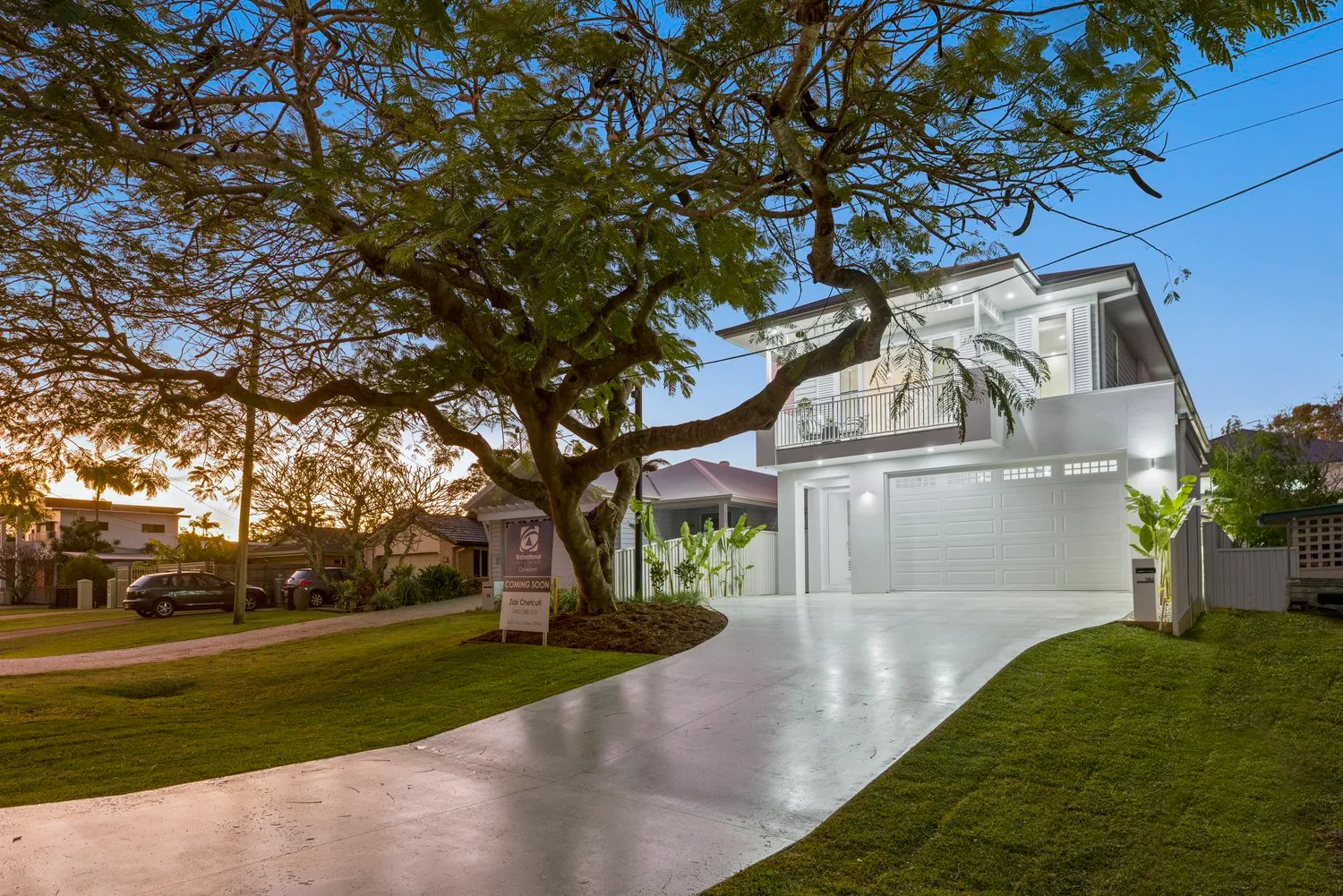
Stage 1, Get Your Finance Sorted (Yes, Before Everything Else)
This one surprises people. You haven’t picked land, you haven’t drawn a single floor plan, but finance comes first.
Why? Because there’s no point falling in love with a block of land or a house design that’s $200K outside your budget. A construction loan works differently to a standard home loan, the bank releases money in stages as the build progresses, not as a lump sum. You need to know what you’re working with before you commit to anything.
Talk to a mortgage broker who handles construction loans regularly. Not all of them do, and the ones who don’t will waste your time.
What you’ll find out at this stage: your borrowing capacity, the real number, not the optimistic one, whether your deposit is enough for land plus build, how construction loan drawdowns work, and what the bank will need from you later, like council-approved plans and a fixed-price building contract.
A pre-approval gives you a number to work with. That number shapes every decision from here on.
For a detailed breakdown of what custom homes actually cost to build in Brisbane right now, read our 2026 cost guide before you have that finance conversation →
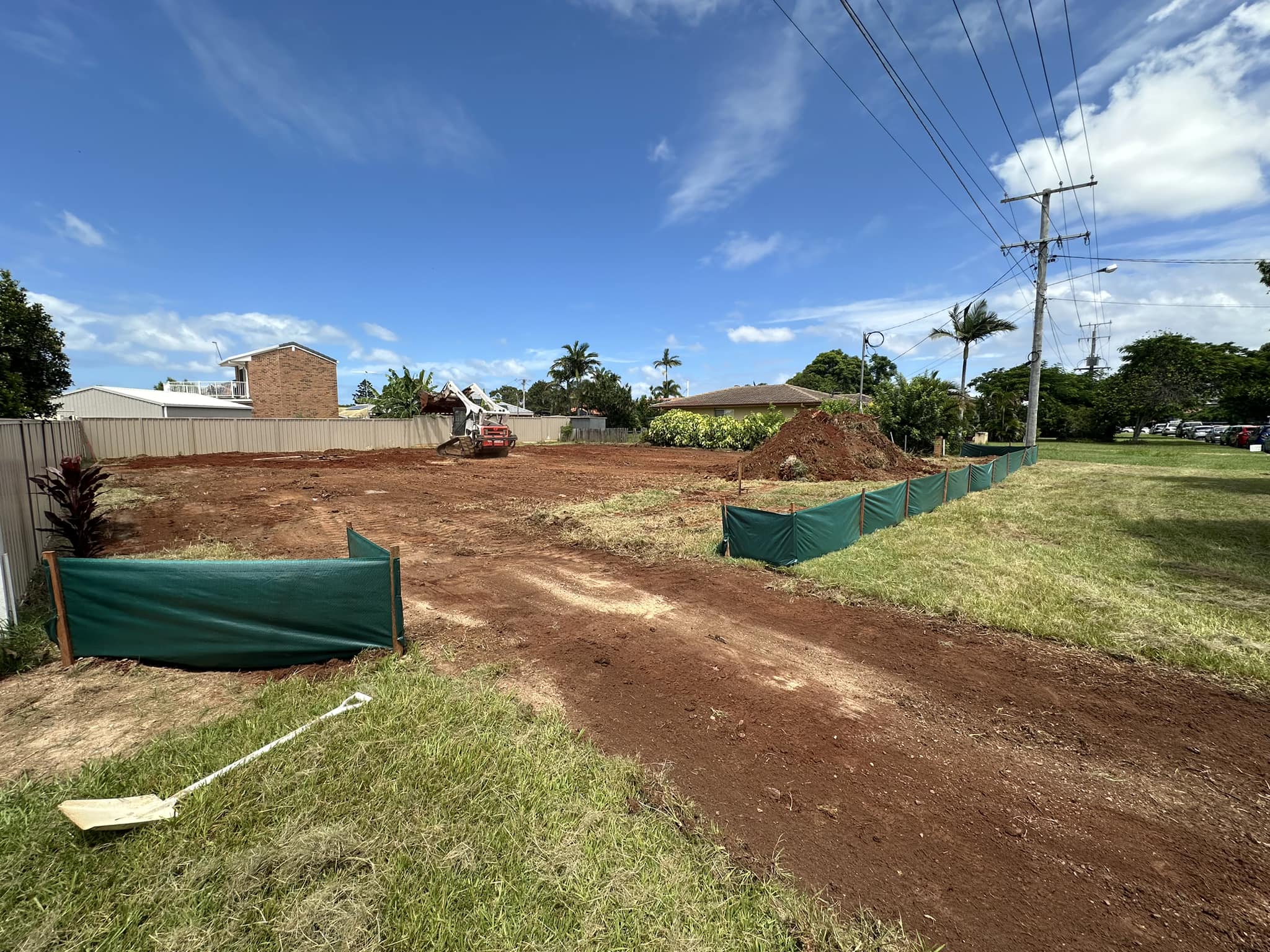
Stage 2, Find Your Land
With finance sorted, now you can actually look at blocks properly, because you know what you can afford.
But in Brisbane, not all land is created equal. The block itself determines a huge amount about what you can build, what it’ll cost, and how much council will be involved.
Things that matter more than people expect:
Slope. A flat block is cheaper to build on. Anything with a decent fall needs retaining walls, potentially a split-level design, and more engineering. That adds cost, sometimes from $30,000 to well over $100,000 depending on the severity.
Soil type. Reactive clay is common in parts of Brisbane and means deeper footings and more expensive slab work. A soil test will reveal this later, but it’s worth asking the selling agent if reports are available before you buy.
Overlays and zoning. Flood overlays, character overlays, bushfire overlays, Brisbane City Council has a mapping tool called City Plan that shows what applies to any given address. These overlays can restrict what you build, how high you build, and what materials you use.
Easements and setbacks. Sewer and stormwater easements eat into your buildable area. If there’s a 3-metre easement running through the middle of the block, that changes your design options significantly.
Orientation. North-facing living areas are ideal in Brisbane. It affects natural light, energy efficiency, and long-term comfort. A bad orientation can be worked around, but it costs more.
For investors specifically: if you’re considering a dual occupancy or duplex build, block size and zoning matter even more. Brisbane City Council generally requires a minimum of 600 square metres for dual occupancy. In the Redlands it’s similar. A block that works fine for a single home might not stack up for two dwellings, check zoning and feasibility before you buy, not after.
Don’t just buy the cheapest block. The cheapest block often becomes the most expensive build.
Stage 3, Understand What Council Will and Won’t Allow
Before you design anything, you need to know the rules for your specific block.
Brisbane City Council uses a planning scheme called City Plan 2014. It sets the rules for what you can build in each zone, height limits, setbacks from boundaries, site cover percentages, and any overlays that apply. In the Redlands, it’s the Redland City Plan.
The three main approval pathways are:
- Accepted development. Your build ticks every box in the planning scheme. No application needed, you go straight to building approval. This is the fastest and cheapest path.
- Code assessable. Your build triggers one or more codes. You need to lodge a development application with council. This adds time, typically 2 to 4 months, and cost, from $5,000 to $15,000 or more in fees and consultant reports.
- Impact assessable. This is the heavy one. Neighbours get notified, submissions can be made, and council takes a harder look. Uncommon for standard residential builds unless you’re doing something unusual for the area.
- A town planner can tell you which pathway your block falls into before you spend a cent on design. If you’re buying land and the agent says “no council approval needed”, verify that yourself. Agents aren’t planners.
Stage 4, Do You Pick Your Builder First, Or Design First and Hope for the Best?
This is probably the most expensive mistake people make in the entire build process, and almost nobody talks about it plainly.
Here’s what happens when you design first. You engage an architect or independent draftsman. You spend months going back and forth on plans. You spend $20,000 to $50,000 on drawings. You fall completely in love with the design. Then you take it to a builder and find out it costs $300,000 more than you budgeted for. Now you’re either redesigning from scratch, wasting everything you spent, or you’re stretching your finances into territory you never planned for.
This happens constantly. Not because architects are bad at their jobs. But because designing a home and pricing a home are two completely different skills, and an independent designer has no reason to keep one eye on your build cost while they’re working.
The smarter move if you have a budget, which is most people, is to engage a builder with an in-house design team first. You have discussed your budget and they can design with the build cost in mind at every single step because they’re the ones who have to price it. The plans and the budget stay aligned throughout instead of colliding at the end.
If budget genuinely isn’t a constraint and you want complete creative freedom with no guardrails, an independent architect makes sense. Go in knowing the design and the pricing are separate conversations that will eventually meet, and make sure you’re comfortable with that before you spend a dollar on plans.
For everyone else, pick your builder first, design together, and know what things cost as you go. It’s a less romantic version of the process but it’s the one that doesn’t end in tears.
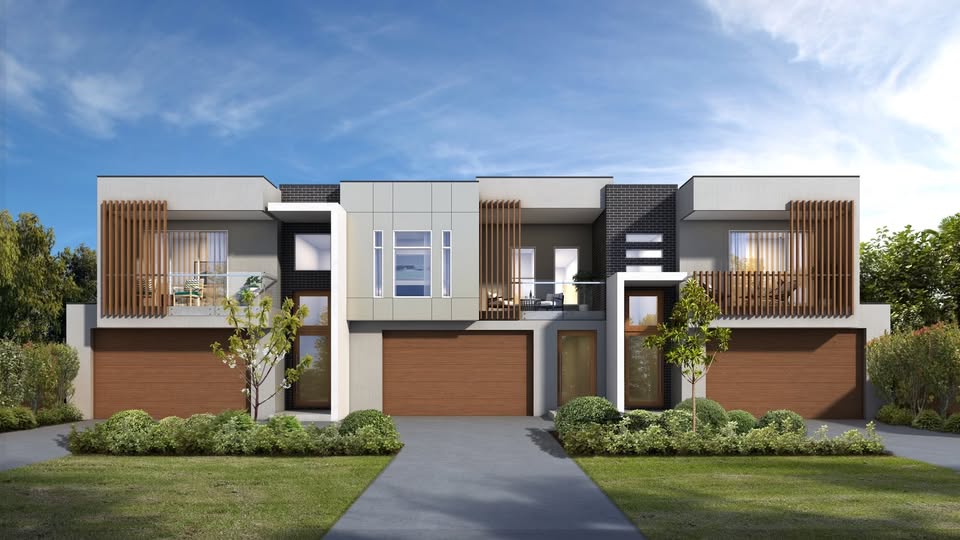
What does a builder’s in-house design process actually look like?
At Iconic, design happens as a conversation, your brief, your block, your budget, all in the room together from day one. We’re not drawing your dream home and then telling you what it costs. We’re designing what’s actually achievable within your budget, refining it until it’s exactly what you want, and pricing it as we go. By the time plans are finalised, there are no surprises at signing.
Draftsman or architect, do you even need to choose?
If you’re using a builder with a strong in-house design team, often no. The design capability is built into the process. If you have a genuinely complex site, steep slope, heritage constraints, highly unusual block shape, or you want something architecturally distinctive and budget is secondary, an independent architect adds value. For most custom homes on Brisbane and Redlands blocks, a good in-house design process delivers everything you need without the budget misalignment risk.
Stage 5, Get Your Reports Done
Before your design can be finalised and submitted for approval, you’ll need a few technical reports. These aren’t optional extras, they’re required.
- Soil test. An engineer drills into your block to test the soil type, bearing capacity, and reactivity. This determines your footing and slab design. From $1,500 to $3,000. Don’t skip this. If you build on reactive clay without the right footings, you get cracking. Simple as that.
- Contour and feature survey. A surveyor maps the exact levels, boundaries, trees, and existing features on your block. Your designer needs this to produce accurate plans. From $1,500 to $2,500.
- Energy efficiency report. Since May 2023, new homes in Queensland need to meet a minimum 7-star NatHERS energy rating. An energy assessor models your design and tells you whether it meets the standard and what changes are needed if it doesn’t. From $1,000 to $2,000.
Other reports depending on your site: hydraulic report for stormwater management, almost always required in Brisbane, arborist report if significant trees are involved, acoustic report if you’re near a major road, bushfire assessment if your block is in a mapped bushfire area.
A good builder coordinates all of this for you. You shouldn’t be ringing surveyors and engineers yourself, your builder should have a trusted network and manage the process.
Stage 6, Building Approval
This is where a few roles come into play that confuse almost everyone.
- Building certifier: assesses your plans against the Building Code of Australia and Queensland’s building regulations. If everything complies, they issue a building approval. That’s your green light to start construction. You can use a private certifier, most people do, it’s faster, or go through council.
- Structural enginee: designs the structural elements. Footings, slab, framing, roof structure, retaining walls. Their calculations get submitted to the certifier as part of the approval package. The engineer doesn’t approve your build, they design the bits that hold it up.
- Building inspector: inspects the actual construction at mandatory stages. Slab before pour, frame before cladding, waterproofing before tiling, and a final inspection before you move in.
In plain English: engineer designs the structure, certifier approves the plans, inspector checks the construction matches the plans. Three different roles, often three different people. Your builder and certifier sort out who needs to do what and when, you shouldn’t need to manage this yourself.
Building approval typically takes 2 to 6 weeks through a private certifier, assuming your documentation is complete.
Stage 7, Signing the Builders Contract
If you’ve followed the advice in Stage 4 and engaged your builder early, you’re already past the worst of this. The contract formalises what you’ve already agreed on through the design process.
If you’re coming to builders with completed plans, get at least three quotes. A fixed-price contract is standard for residential builds in Brisbane and it’s what most banks require for construction loan drawdowns. Make sure the contract specifies exactly what’s included, and just as importantly, what’s not.
Things to check before you sign:
Are they licensed with the QBCC? Is home warranty insurance included, it’s mandatory in Queensland for residential work over $3,300. What’s the contract type, HIA or Master Builders contracts are standard. What’s the estimated build timeline. What are the allowances for fixtures, tiling, and cabinetry, low allowances mean you’ll be paying extra later. What’s the process for variations?
A word on variations, this is important.
A variation is any change to the scope of work after the contract is signed. Different tiles, a layout tweak, an upgrade you decided on halfway through. Builders price variations at their discretion once the contract is signed, and this is one of the most reliable ways budgets blow out. Understand the variation process before you sign. Ask what the builder’s track record on variations looks like. A builder who runs a tight design-and-build process from the start has far fewer variations because the decisions were made properly upfront.
A good builder will walk you through all of this. If they’re vague about costs, timelines, or what’s included, that tells you something.
Stage 8, Selections (And Why Iconic Does This Differently)
The standard industry approach to it is genuinely one of the worst parts of building a home.
The typical builder process: before your home is even built, you’re sat down in a showroom, handed a stack of catalogues and samples, and asked to choose your tiles, flooring, paint colours, cabinetry, tapware, and light fittings. You’re rushed through decisions about rooms you’ve never stood in, trying to visualise finishes in spaces that don’t exist yet.
Then eighteen months pass. The home gets built and, your taste has moved on. What felt right in a showroom two years ago looks nothing like what you’d choose today.
Iconic does it differently, and it makes a significant difference to how the finished home feels.
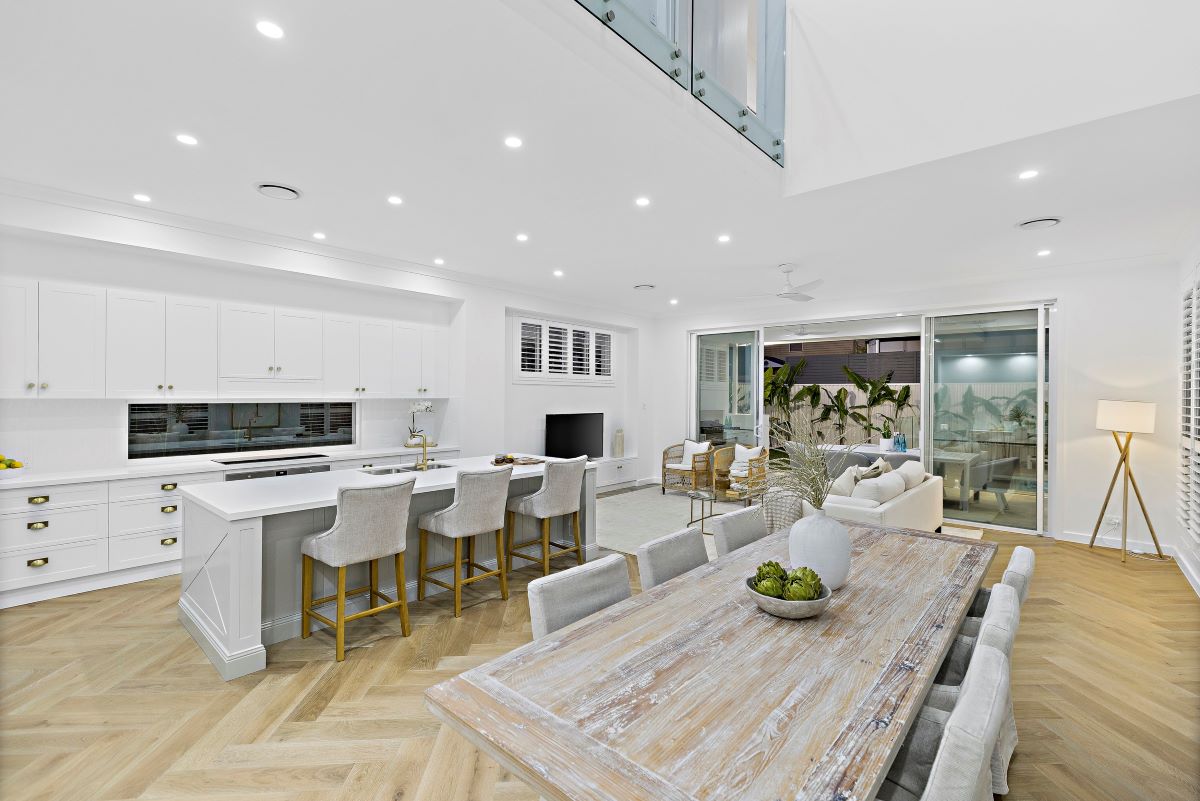
As each room is completed during construction, you step into it. You see the actual natural light in that specific space. You feel how the room works. You understand the proportions. And only then do you start selecting the finishes, paint colours, window coverings, floor coverings, tiles, feature lighting, right there in the room they’re going into, with experienced guidance alongside you.
It turns what is normally a stressful guessing game into decisions that are grounded in reality. You’re not imagining how a tile will look. You’re standing in the room it’s going into.
One thing to be aware of regardless of process: the allowances in your contract for finishes are set at the time of signing. If you want to upgrade beyond the standard allowance you pay the difference. Go into the build with a clear sense of where you want to spend and where you’re happy with standard, and if upgrades matter to you, make sure the allowances in your contract reflect that from the start.
Stage 9, Pre-Construction
You’ve got all the approvals,the builder, the contract. But you’re not building yet.
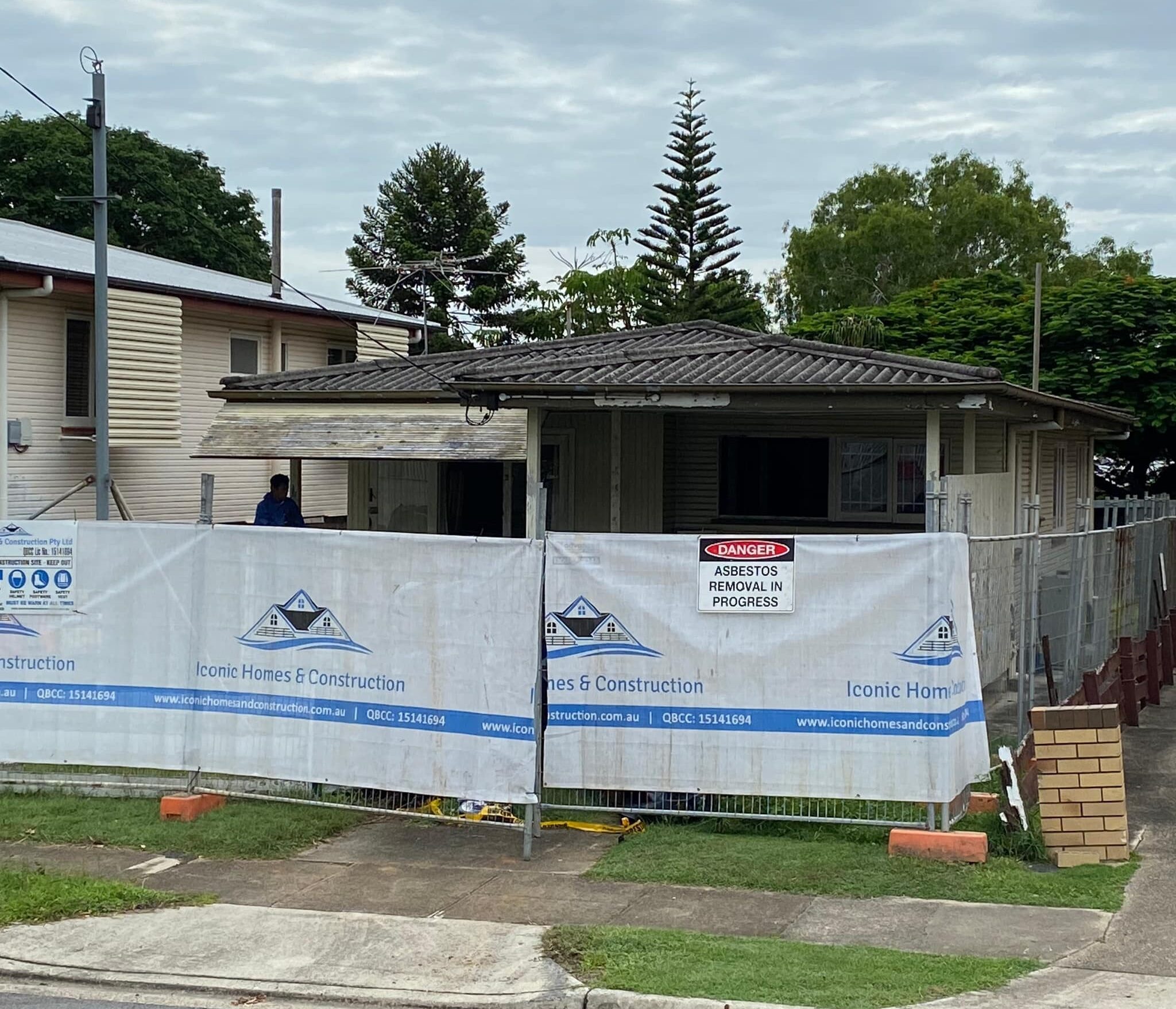
Before construction starts you’ll typically need temporary fencing and site signage, service connections arranged or disconnections if you’re demolishing an existing house, a site-specific safety plan, notification to council that work is starting, and any tree protection measures if you’re keeping significant trees on the block.
Your builder should manage all of this. It’s worth knowing it happens so you’re not caught off guard by a two-week gap between contract signed and work starts. That gap is normal and it’s not a sign anything is wrong.
Stage 10, Construction
The build follows a predictable sequence and each stage has a mandatory inspection before the next one starts.
- Site preparation: clearing, levelling, and setting out the building footprint.
- Footings and slab: trenches dug, reinforcement laid, concrete poured. Inspection happens before the pour.
- Frame: timber or steel frame goes up, roof trusses installed. Frame inspection before cladding.
- Lockup: roof on, external cladding on, windows and external doors installed. The house is now weatherproof.
- Rough-in: electrical wiring, plumbing pipes, and ducting for air conditioning installed inside the walls before they’re lined.
- Internal lining: plasterboard goes up.
- Fix-out: cabinetry, doors, skirting boards, architraves, tiling, painting, fixtures and fittings. This is also where Iconic’s selections process happens, room by room, as each space is completed.
- Practical completion: everything’s done, final clean, final inspection.
How long does it take? A standard single-storey home in Brisbane typically takes 6 to 9 months from slab to handover. Double-storey, custom designs, or complex sites push that to 9 to 14 months. Delays happen, weather, material supply, subcontractor availability, so build in a buffer.
Stage 11, Handover and Moving In
Your certifier issues a final inspection certificate. You do a handover inspection with your builder, walk through the house, note any defects or incomplete items, and agree on a timeline to fix them.
Once you settle on the construction loan your bank converts it to a standard mortgage and you get the keys.
Don’t forget: organise utility connections, update your address, and remember you’ve got a defects liability period under your contract, usually 6 to 12 months. If something goes wrong that’s a construction defect, your builder is obligated to fix it.

Our Services
Get A Quote
Get in touch today for a free, no-obligation quote on your building or renovation project.


